Healthcare directives and power of attorney are legal documents that record your medical wishes and designate someone to make decisions on your behalf if you become incapacitated. Together, they ensure that a medical emergency does not leave your family guessing or, worse, hand those decisions to people who don’t know what you want.
This guide focuses specifically on Utah adults who want to protect their medical autonomy and spare their families from impossible decisions during a health crisis.
Definition: A healthcare directive (also called an advance directive or living will) is a written legal document stating your medical treatment preferences if you cannot speak for yourself. A durable power of attorney for healthcare appoints a trusted person to carry out those wishes.
Most people in Washington County and across southern Utah put these documents off. Life is busy. The conversation feels uncomfortable. But the families who arrive at a hospital without these documents quickly discover that the law, not their loved ones, ends up in control. At Terry Law Firm, PLLC., we’ve seen how profoundly these two documents change outcomes for families during the hardest moments of their lives.
Why Utah Law Makes This Urgent Right Now
Under current Utah law (2025), if you are incapacitated and have no advance directive, medical providers must follow hospital protocols and default legal standards. Family members cannot automatically speak for you unless they are formally designated. Disagreements between spouses, adult children, and siblings over treatment can escalate quickly, sometimes requiring court intervention.
According to the State of Utah, advance directive forms are recognized statewide and are legally binding when properly signed and witnessed. The process is not complicated, but it must be done before a crisis, not during one.
Medical providers consistently rely on signed, witnessed documents to guide care decisions. A verbal account from a family member carries far less weight than a properly prepared advance directive your attorney helped you create.
Healthcare Directive vs. Power of Attorney: Which Approach Works?
| Document | What It Does | Cost Considerations | Best For |
|---|---|---|---|
| Healthcare Directive / Living Will | Records specific treatment wishes (life support, resuscitation, pain management) | Often included as part of a broader estate planning engagement | Anyone who wants their voice heard in a medical crisis |
| Durable Power of Attorney for Healthcare | Names a trusted person to make real-time medical decisions | Often included as part of a broader estate planning engagement | Anyone with family members who may disagree on care |
| General Power of Attorney | Covers financial and legal decisions, not medical | Attorney fees vary depending on complexity and scope of services | People who also need financial decision-making covered |
| Full Advance Directive Package | Combines all documents above into one coordinated plan | Pricing depends on the scope of your estate planning needs; consult an attorney for details | Adults who want complete protection |
Where a healthcare directive succeeds: It locks in your exact wishes so there’s no debate. Doctors and hospitals must follow it. It removes the burden from grieving family members.
Where a healthcare directive falls short: It can’t cover every possible scenario. Medical situations are unpredictable, and a document written five years ago may not address every treatment option available today.
Where a durable power of attorney for healthcare succeeds: It gives a real, trusted person the authority to respond in real time to evolving conditions. That flexibility matters enormously in complex situations.
Where it falls short: It depends entirely on choosing the right person. If your designated agent is unavailable or emotionally overwhelmed, decisions can still stall.
The verdict: You need both. One document records your wishes. The other empowers someone to act on them. Neither one alone is enough.
Thinking about this for your situation? Let’s talk. We’ll walk you through your options – no pressure. Contact us to schedule a conversation.
Your Advance Directive Action Plan
- Step 1 – Decide your wishes: Think through your preferences for life support, CPR, feeding tubes, and palliative care. Write down your priorities before your first appointment so the conversation is focused.
- Step 2 – Choose your healthcare agent: Pick someone who will respect your wishes even under pressure. This person does not need to be a family member, but they must be someone you fully trust.
- Step 3 – Draft the documents with an attorney: Utah has specific signing and witness requirements. Working with an attorney helps ensure your documents meet all technical standards and will hold up when needed most.
- Step 4 – Distribute copies: Give copies to your healthcare agent, your primary care physician, any professionals, and your local hospital. Keep the original somewhere accessible.
- Step 5 – Review and update regularly: Life circumstances change. Review your documents every two to three years or after any major health diagnosis, divorce, or change in family relationships.
Documents You’ll Need to Gather Before Your Appointment
- ☐ Full legal name and current address
- ☐ Name and contact information for your chosen healthcare agent
- ☐ Name of a backup agent in case your primary choice is unavailable
- ☐ List of current medical conditions and treating physicians
- ☐ Any existing medical orders (DNR, POLST forms) from your doctor
- ☐ Names of family members who should receive copies
Common Mistakes That Undermine These Documents
The most common mistake we see is using a generic form downloaded online without having it reviewed by an attorney. Utah has specific requirements for witnesses and notarization, and a document that fails those technical standards may be unenforceable exactly when you need it most.
- Naming a spouse as sole agent without naming a backup, then going through a divorce
- Storing the only copy in a safe deposit box no one can access during an emergency
- Writing vague instructions that leave room for family disagreement
- Failing to update documents after a serious new diagnosis changes your care priorities
Key Takeaways for Utah Adults in 2025
- Both documents are necessary – a healthcare directive records your wishes and a power of attorney appoints someone to act on them
- Generic forms carry real risk – Utah’s signing and witness requirements must be met exactly or the document may not be honored
- Your agent choice matters enormously – pick someone who can hold firm under pressure, not just someone who is nearby
- Update regularly – review your documents every two to three years or after major life changes
- Act before a crisis – these documents must exist before a medical emergency occurs; you cannot create them while incapacitated
Frequently Asked Questions
What is a healthcare directive under Utah law?
A healthcare directive is a legally binding document that records your medical treatment preferences if you become unable to communicate them yourself. Utah law recognizes these documents statewide, and medical providers are required to follow them when properly signed and witnessed.
Who should I name as my healthcare power of attorney agent?
Your healthcare agent should be someone who knows your values, will respect your stated wishes, and can make firm decisions under emotional pressure. This person does not have to be a family member. The most important quality is trustworthiness, not proximity or relationship.
Does a healthcare directive cover financial decisions too?
No – a healthcare directive only applies to medical decisions. For financial and legal decisions, you need a separate durable power of attorney for finances. Many estate planning packages include both to ensure complete coverage.
What happens if I become incapacitated without these documents in Utah?
Utah hospitals will follow default legal protocols, and family members cannot automatically speak for you without formal legal authority. Disagreements between family members may require court intervention, which is expensive and emotionally devastating during a medical crisis.
How often should I update my advance directive?
Review your documents every two to three years or after any major life change such as a new diagnosis, divorce, or death of your named agent. Outdated documents can create confusion if your preferences or circumstances have changed significantly.
How much does it cost to prepare these documents in Utah?
As part of a full estate planning package, healthcare directives and powers of attorney are typically included in the overall planning fee. Attorney fees vary depending on the complexity of your situation and the scope of services involved; contact an attorney directly for details specific to your needs.
Can I create these documents myself without an attorney?
Utah does provide a statutory form, but an attorney review is strongly recommended because errors in signing or witness requirements can make the document unenforceable. The cost of getting it wrong – both financially and emotionally – far outweighs the cost of doing it right the first time.
Your Next Step
Every adult in St. George and throughout Washington County deserves to have their medical wishes honored. The families who struggle most in a medical crisis are almost always the ones who delayed these conversations until it was too late.
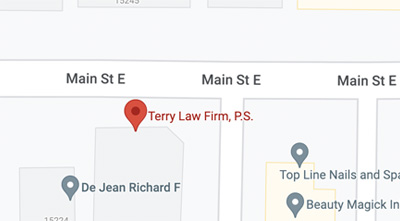
Terry Law Firm, PLLC., located in St. George, UT, helps individuals and families across southern Utah prepare healthcare directives, powers of attorney, and complete estate plans. We are a small firm that focuses on quality and compassionate attention for each client. As members of the American Academy of Estate Planning Attorneys, we meet significantly higher legal education requirements in estate planning than the Utah State Bar requires.
We serve clients throughout Washington County including St. George, Santa Clara, Ivins, Hurricane, La Verkin, Washington City, and surrounding communities.
Ready to take the next step? Contact us today for straight answers and real solutions. The sooner these documents exist, the sooner your family has peace of mind. For a complete overview of how we can help, visit our services page.
This content is for general informational purposes only and does not constitute legal advice. Please consult a licensed Utah attorney for guidance specific to your situation.